
Allegro’s fulfillment network is a logistics service that allows sellers to store their inventory in Allegro’s warehouses and have orders picked, packed, and shipped on their behalf. Known as Allegro One Fulfillment, it is designed to simplify the operational side of selling on Allegro, Poland’s dominant e-commerce marketplace. The sections below cover how the network works, who can use it, what it costs, and how it affects your performance as a seller.
What does Allegro’s fulfillment network actually include?
Allegro’s fulfillment network, branded as Allegro One Fulfillment, includes warehousing, order processing, packing, shipping, and returns handling. Sellers send their products to Allegro’s fulfillment centers in Poland, and Allegro takes over the entire physical logistics chain from that point forward. The network connects directly to the Allegro marketplace, meaning orders are fulfilled automatically without manual intervention from the seller.
The service covers the full post-purchase journey. Once a customer places an order, Allegro picks the item from stock, packs it according to its standards, and dispatches it through its carrier network. Returns are also processed through the fulfillment infrastructure, reducing the operational burden on sellers significantly. For brands that want to enter the Polish market without building their own logistics setup from scratch, this network provides a ready-made solution.
How does Allegro One Fulfillment handle storage and shipping?
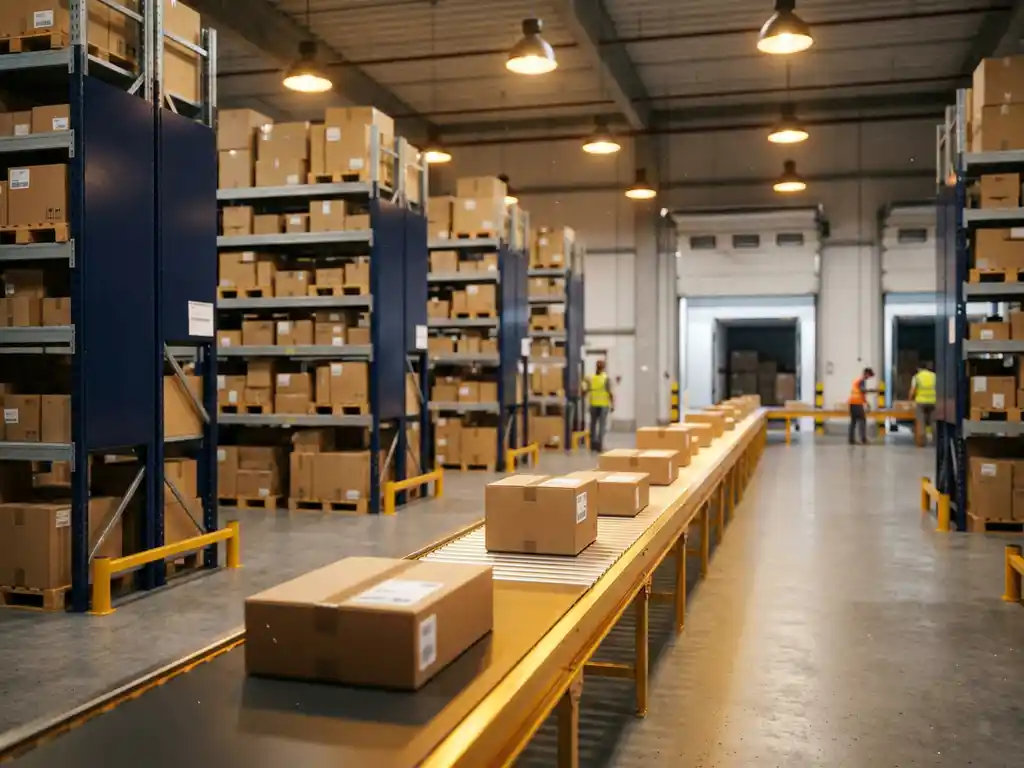
Allegro One Fulfillment stores seller inventory in dedicated fulfillment centers located in Poland. Sellers ship their products in bulk to these warehouses, where items are catalogued and stored until a customer order triggers the fulfillment process. Shipping is then handled through Allegro’s integrated carrier partnerships, with delivery timelines that typically meet or exceed standard marketplace expectations.
Storage is organized by product type and SKU, and sellers can monitor their stock levels through the Allegro seller panel. When inventory runs low, sellers receive alerts so they can replenish in time. On the shipping side, Allegro leverages its scale to offer competitive delivery speeds, which is a key advantage for sellers competing for the Buy Box on high-demand listings. Orders fulfilled through Allegro One Fulfillment are eligible for Allegro Smart, the marketplace’s free delivery subscription program, which gives those listings a significant reach advantage.
What are the eligibility requirements to use Allegro’s fulfillment?
To use Allegro One Fulfillment, sellers must have an active Allegro seller account and meet the platform’s product eligibility criteria. Not all product categories or item types are accepted into the fulfillment program. Products must comply with Allegro’s size and weight restrictions, and certain hazardous or restricted goods are excluded from the service entirely.
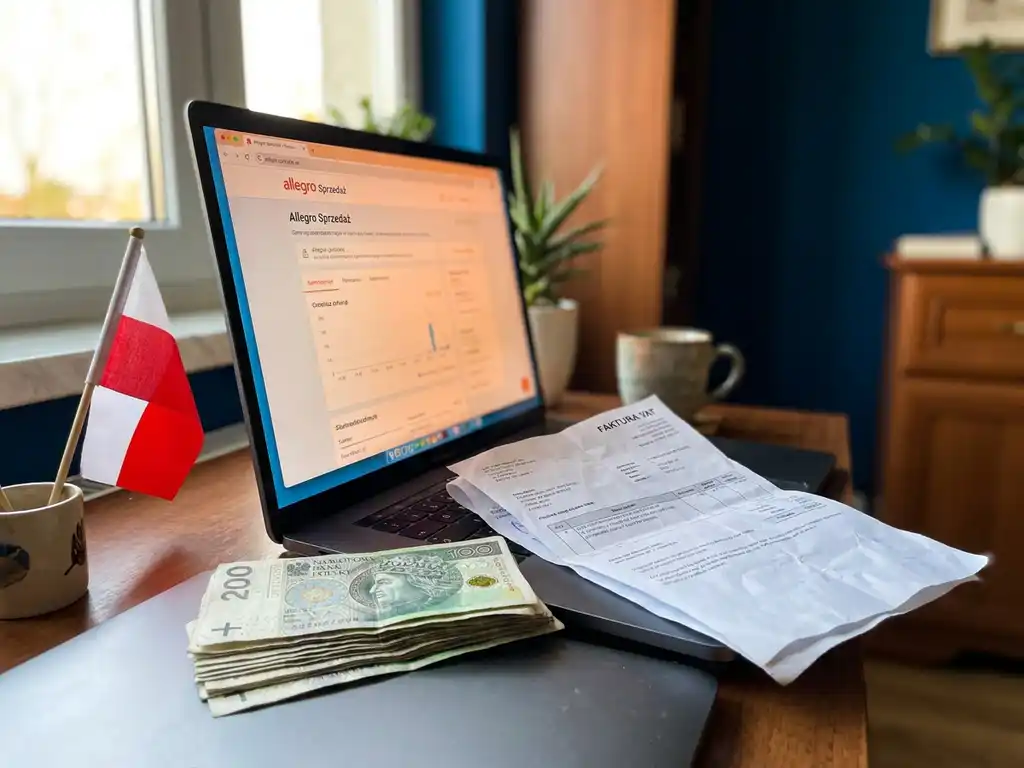
Sellers are also expected to maintain accurate product listings with correct EAN codes and complete product data before sending inventory to the fulfillment center. Allegro may require a minimum level of seller account quality or history before granting access to the program, particularly for newer accounts. International sellers looking to use the network should also be prepared to handle Polish VAT registration requirements, as selling into Poland through a local fulfillment center typically creates a tax presence in the country.
How does Allegro’s fulfillment compare to self-fulfillment or third-party logistics?
Allegro One Fulfillment offers tighter marketplace integration than either self-fulfillment or traditional third-party logistics (3PL) providers. Self-fulfillment gives sellers full control over packing and shipping but requires managing their own warehouse operations, carrier contracts, and returns processes. A 3PL provides outsourced logistics but lacks the direct connection to Allegro’s algorithm and Smart delivery badge that Allegro’s own fulfillment delivers.
Self-fulfillment
Self-fulfillment works well for sellers with existing logistics infrastructure or highly customized packaging requirements. However, it places the full operational load on the seller and typically results in slower delivery times compared to Allegro’s centrally located fulfillment centers. Listings fulfilled by the seller also miss out on the Allegro Smart eligibility that boosts visibility in search results.
Third-party logistics
A 3PL based in Poland can handle storage and shipping independently of Allegro’s network, which gives sellers more flexibility in terms of multi-channel fulfillment. This is particularly relevant for brands selling across multiple European marketplaces simultaneously. The trade-off is that a 3PL does not carry the same algorithmic benefits within Allegro’s platform, and coordinating between a separate logistics provider and the marketplace adds operational complexity.
What fees are associated with Allegro One Fulfillment?
Allegro One Fulfillment charges fees for storage, order fulfillment, and returns processing. Storage fees are calculated based on the volume of space your inventory occupies in the fulfillment center, typically measured in cubic meters per day. Fulfillment fees cover the cost of picking, packing, and shipping each order, and these vary depending on the size and weight of the product.
Additional charges may apply for long-term storage if inventory remains in the warehouse beyond a set threshold, which encourages sellers to manage stock levels actively. Returns processing also carries a fee per unit handled. Allegro publishes its current fee schedule in the seller help center, and it is worth modeling your margins carefully before committing, particularly for lower-priced products where fulfillment costs can represent a significant share of the sale price.
How does fulfillment through Allegro affect product visibility and rankings?
Using Allegro One Fulfillment directly improves product visibility on the marketplace. Listings fulfilled through Allegro’s network are eligible for the Allegro Smart badge, which signals free and fast delivery to buyers. This badge is a strong conversion driver and is factored into Allegro’s search ranking algorithm, meaning fulfilled listings tend to rank higher than equivalent self-fulfilled ones.
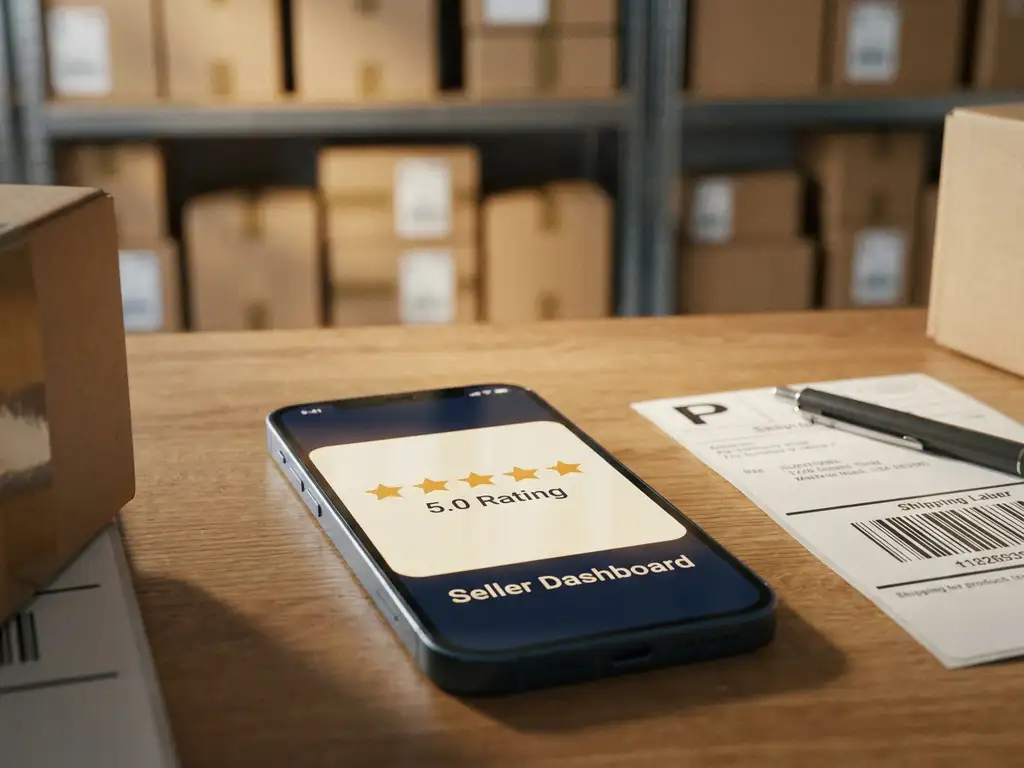
Faster and more reliable delivery also contributes to better seller ratings over time, which further reinforces ranking performance. For competitive product categories where multiple sellers offer the same item, fulfillment through Allegro can be the deciding factor in winning the prominent listing position. In short, the logistics choice is not just an operational decision but a commercial one that directly shapes how visible your products are to millions of Polish shoppers.
How Distrilink helps you scale on Allegro and beyond
At Distrilink, we help brands grow quickly and in a controlled way on online marketplaces, including Allegro. Instead of building your own marketplace team, IT infrastructure, or logistics setup from scratch, you can activate and scale immediately through us. We take on the full operational execution with a data-driven and standardized approach, supported by our own platform and fulfillment capabilities. Here is what that means in practice:
- Marketplace activation: We handle account setup, listing creation, and content optimization so your products are live and competitive from day one.
- Logistics and fulfillment: With our in-house warehouse, we manage storage, shipping, and returns across all connected marketplaces centrally.
- Performance and visibility: We optimize listings continuously to maximize search rankings and conversion, including on Allegro’s algorithm.
- Customer service: We handle buyer communication and after-sales support so you can focus on your product and brand strategy.
- Full transparency: Through our Distrilink Acceleration Platform, you get clear insight into your performance across all channels at any time.
We represent more than 25 brands and are connected to all major European marketplaces. Brands that work with us expand their e-commerce reach without adding operational complexity, and they do it with speed, control, and clear visibility into results. If you want to explore what selling on Allegro could look like for your brand, get in touch with us and we will map out the right approach together.
Frequently Asked Questions
How long does it take to get set up and start selling through Allegro One Fulfillment?
The onboarding timeline depends on how quickly you can prepare your inventory and product data. You will need an active Allegro seller account, complete product listings with valid EAN codes, and compliant labeling before shipping stock to the fulfillment center. In practice, sellers who have their product data in order can expect the process to take anywhere from a few days to a few weeks, depending on account approval and the time needed to transport inventory to Allegro’s Polish warehouses.
Can I use Allegro One Fulfillment if I am based outside of Poland?
Yes, international sellers can use Allegro One Fulfillment, but there are important compliance steps to address first. Storing goods in a Polish fulfillment center typically creates a VAT obligation in Poland, meaning you will need to register for Polish VAT before or shortly after activating the service. Working with a local tax advisor or a marketplace partner familiar with Polish regulations is strongly recommended to avoid compliance issues down the line.
What happens to my inventory if a product does not sell well and sits in the warehouse for a long time?
Allegro One Fulfillment applies long-term storage fees for inventory that remains in the warehouse beyond a defined threshold, which means slow-moving stock can erode your margins over time. To avoid these charges, it is worth monitoring your sell-through rates closely and planning replenishments based on actual demand rather than large upfront shipments. If a product consistently underperforms, requesting a stock removal back to your own facility is an option, though removal fees may apply.
Does using Allegro One Fulfillment prevent me from selling the same products on other marketplaces or my own website?
Allegro One Fulfillment is designed specifically for orders placed on the Allegro marketplace, so inventory stored in Allegro’s warehouses is allocated to fulfilling Allegro orders only. If you also sell on other channels such as Amazon, your own webshop, or other European marketplaces, you would need a separate inventory pool or a third-party logistics provider capable of fulfilling those orders independently. For brands selling across multiple channels, a 3PL or a marketplace partner with centralized warehousing can offer more flexibility.
What are the most common mistakes sellers make when starting with Allegro One Fulfillment?
One of the most frequent mistakes is sending inventory without fully optimized listings, which means products go live but fail to convert because titles, descriptions, or images are incomplete. Another common error is underestimating the impact of fulfillment fees on lower-priced products, leading to thinner margins than anticipated. Sellers also sometimes overship inventory early on without validating demand first, which results in long-term storage fees on slow-moving stock. Running a thorough margin model and starting with a focused SKU selection before scaling is the more reliable approach.
How does Allegro Smart eligibility actually impact sales performance in practice?
Allegro Smart is the marketplace’s free delivery subscription program, and listings that carry the Smart badge consistently outperform non-eligible listings in both visibility and conversion. Polish shoppers are highly price and delivery sensitive, and the Smart badge signals both speed and cost savings at the point of browsing, which directly influences click-through and purchase decisions. In competitive categories where multiple sellers offer the same product, Smart eligibility through Allegro One Fulfillment can be the single most impactful factor in winning the prominent listing position.
Is Allegro One Fulfillment the right choice for every type of product, or are there categories where it makes less sense?
Allegro One Fulfillment works best for standardized, regularly selling products that fit within the platform’s size and weight limits and do not require special handling or custom packaging. It is less suitable for oversized items, hazardous goods, products with very short shelf lives, or SKUs that require personalization before shipping. For sellers with highly seasonal or unpredictable demand, the risk of long-term storage fees also makes it worth evaluating whether self-fulfillment or a flexible 3PL might be a better operational fit for certain parts of the catalog.