
The best-performing product categories on Allegro are electronics, fashion, home and garden, and health and beauty. These four verticals consistently drive the highest sales volumes on Allegro’s marketplace, Poland’s dominant e-commerce platform and one of the largest in Central Europe. Understanding which categories lead, which are growing, and how competitive dynamics work will help you make smarter decisions about entering the Polish market.
Which product categories sell the most on Allegro?
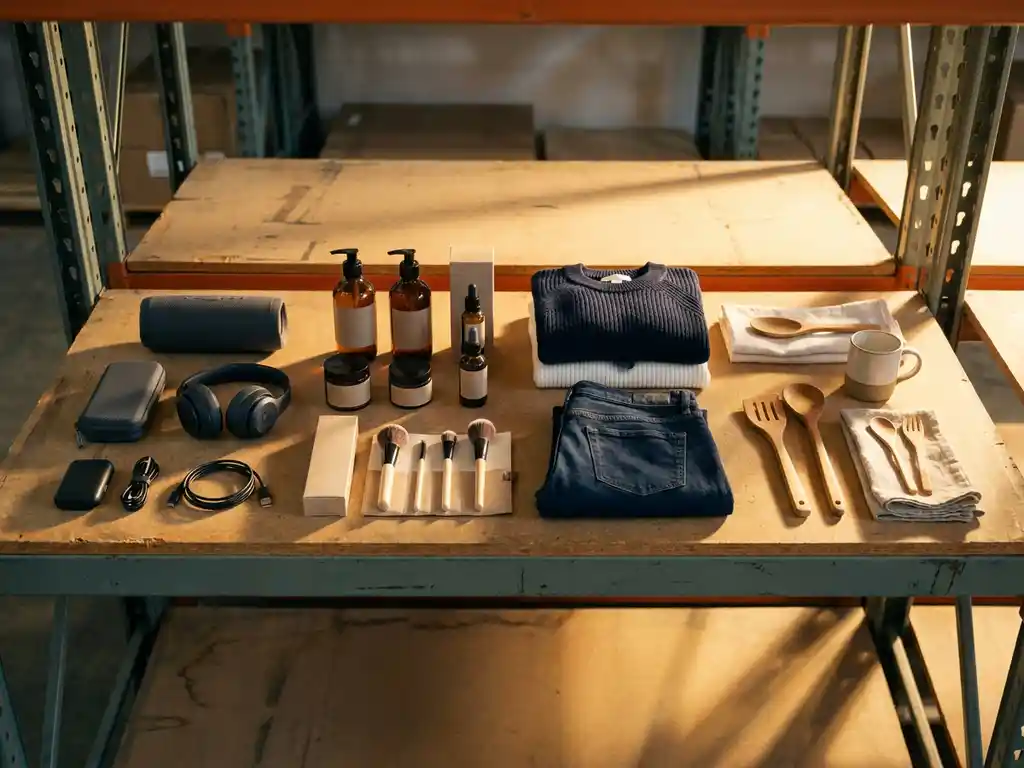
Electronics, fashion and clothing, home and garden, and health and beauty are the top-selling categories on Allegro. Electronics alone account for a significant share of total platform revenue, followed closely by fashion and home goods. These categories benefit from high purchase frequency, strong consumer demand in Poland, and a well-established buyer base on the platform.
Beyond these four, categories like sports and recreation, automotive accessories, and baby and child products also generate substantial volume. Allegro’s broad audience means that almost any mainstream consumer product has a potential buyer base, but these core verticals represent the clearest path to volume for new sellers entering the marketplace.
Why does electronics consistently top Allegro’s charts?
Electronics tops Allegro’s sales charts because Polish consumers are highly price-conscious in this category and actively comparison-shop online before purchasing. Allegro’s competitive pricing environment, combined with its trusted buyer protection, makes it the preferred destination for purchasing smartphones, laptops, audio equipment, and accessories over physical retail.
The category also benefits from high average order values and repeat purchasing behavior. A buyer who purchases a smartphone is likely to return for cases, chargers, and other accessories. This creates a compounding effect where electronics sellers can build loyal customer relationships over time. Additionally, the broad range of price points within electronics, from budget peripherals to premium devices, means sellers can target multiple segments of the Polish consumer market simultaneously.
What makes a product category competitive on Allegro?
A product category on Allegro becomes competitive when it combines high search demand with a large number of active sellers offering similar products at similar price points. The most competitive categories are typically those with the highest consumer demand, which attracts more sellers, compresses margins, and raises the bar for product listings, reviews, and fulfillment speed.
Several factors determine how competitive a category actually is:
- Number of active listings: Categories with hundreds of thousands of listings signal intense competition and require strong differentiation.
- Price sensitivity: Categories where buyers sort by lowest price first are harder to win without a cost advantage.
- Review volume: Established sellers with thousands of positive reviews have a significant trust advantage over new entrants.
- Fulfillment expectations: Fast delivery is increasingly a baseline expectation, especially in electronics and fashion.
- Brand presence: Some categories are dominated by recognized brands, making it harder for generic products to stand out.
Understanding these dynamics before entering a category is essential to setting realistic expectations and building the right competitive strategy.
Which categories are growing fastest on Allegro right now?
In 2026, the fastest-growing categories on Allegro include health and wellness products, sustainable and eco-friendly goods, pet supplies, and smart home technology. These verticals are benefiting from broader consumer trends across Europe, including increased health awareness, rising pet ownership, and growing interest in home automation.
Beauty and personal care are also expanding rapidly, driven by the growth of skincare routines and the influence of social media on purchasing decisions among younger Polish consumers. Sports and outdoor equipment saw significant growth in recent years as more people invested in home fitness and outdoor activities, and that momentum has continued into 2026.
For brands considering Allegro Poland as a new channel, these growth categories represent an opportunity to enter markets where demand is rising but competition has not yet fully matured, which often means better visibility and stronger early returns.
Should you enter a popular category or a niche one on Allegro?
Entering a popular category on Allegro gives you access to higher demand but requires you to compete directly with established sellers and strong brands. A niche category offers less competition and often higher margins, but comes with lower search volume and a smaller addressable audience. The right choice depends on your product, your pricing position, and your ability to differentiate.
For brands with a strong value proposition or a genuinely differentiated product, popular categories can work well because high traffic compensates for competition. For brands with specialist products or premium positioning, niche categories often deliver better conversion rates and stronger brand perception because buyers in those categories are more intentional and less price-driven.
A practical approach is to start by assessing where your product naturally fits, then evaluate the competitive intensity of that space on Allegro before committing resources. Trying to force a product into a high-volume category where it does not naturally belong rarely produces strong results.
How do you validate whether your product will sell on Allegro?
To validate whether your product will sell on Allegro, search for similar or competing products directly on the platform and analyze the number of active listings, sales indicators, pricing ranges, and review counts. Allegro shows sales data and popularity signals that give a clear picture of whether demand exists and how competitive the space already is.
A structured validation process includes these steps:
- Search your main product keywords in Polish on Allegro and note how many listings appear.
- Check the top listings for review counts and seller ratings to understand how established the competition is.
- Analyze pricing across the top results to determine the price range buyers expect and whether your margins are viable.
- Look for gaps: Are there underserved product variants, better images, or missing features that you could address?
- Assess fulfillment requirements: Check whether fast delivery is a standard expectation in your category and whether you can meet it.
This research takes a few hours but dramatically reduces the risk of launching a product that will struggle to gain traction. It also helps you set realistic sales targets and plan your listing strategy before investing in inventory or advertising.
How Distrilink helps you sell on Allegro
At Distrilink, we help brands grow quickly and in a controlled way on online marketplaces like Allegro. Instead of building an entire marketplace team, IT infrastructure, or logistics operation yourself, you can activate and scale through us immediately. We represent more than 25 brands and are connected to all major European marketplaces, including Allegro Poland.
Our approach removes the operational complexity of selling on Allegro so you can focus on your brand and products. Here is what we take off your plate:
- Account activation and setup on Allegro, fully configured from day one
- Product listing optimization with Polish-language content, SEO, and imagery
- Data-driven category and pricing strategy based on real marketplace signals
- Advertising and visibility management to compete effectively in your chosen category
- Fulfillment and logistics handled through our own in-house warehouse
- Customer service in the local language, managed end to end
- Performance reporting through our Distrilink Acceleration Platform for full visibility
With a standardized and data-driven execution model, we handle everything from activation and optimization to logistics and customer service. Brands can expand their e-commerce reach without adding complexity, and with clear insight into performance at every step. Want to find out if Allegro is the right next marketplace for your brand? Get in touch with us and we will help you assess the opportunity.
Frequently Asked Questions
How long does it typically take to start generating consistent sales on Allegro as a new seller?
Most new sellers on Allegro begin seeing consistent sales within 4 to 12 weeks of launching, depending on category competitiveness, listing quality, and whether paid advertising is used. The early weeks are largely about building review history and gaining algorithmic visibility, so setting realistic short-term expectations is important. Using promotional tools like Allegro Ads from the start can significantly accelerate this ramp-up period.
Do I need to localize my product listings in Polish, or can I sell with English content?
Polish-language listings are essential for selling effectively on Allegro. The vast majority of Polish consumers search in Polish, and Allegro’s search algorithm strongly favors listings with properly localized titles, descriptions, and attributes. Selling with English content will severely limit your visibility and conversion rate, so professional Polish translation and SEO optimization should be treated as a non-negotiable part of your launch preparation.
What are the most common mistakes new sellers make when entering Allegro?
The most common mistakes include entering an overly competitive category without a clear differentiator, underpricing to win volume at the cost of sustainable margins, and neglecting fulfillment speed expectations that Polish buyers have come to expect. Another frequent error is launching with poorly optimized listings — weak titles, low-quality images, or missing product attributes — which suppresses visibility before you even have a chance to compete. Taking time to research the category and prepare listings properly before going live makes a significant difference in early performance.
Is Allegro Ads worth investing in, especially for new sellers?
Yes, Allegro Ads is generally worth investing in for new sellers, particularly in the early stages when organic visibility is limited due to low review counts and seller history. Sponsored listing formats can place your products in front of high-intent buyers while you build the organic signals needed for long-term ranking. Starting with a modest daily budget focused on your best-performing products and refining based on return on ad spend (ROAS) data is a practical approach to managing costs while accelerating growth.
Can I sell on Allegro as a non-Polish or foreign-based company?
Yes, foreign-based companies can sell on Allegro, but there are registration requirements, VAT obligations in Poland, and logistical considerations that need to be addressed before going live. You will need a valid EU VAT number and must comply with Polish consumer protection and return policy regulations. Working with a marketplace partner or distributor already established in Poland is often the most efficient way for international brands to navigate these requirements without building local infrastructure from scratch.
How important are seller reviews and ratings on Allegro, and how can I build them quickly?
Seller reviews and ratings are critically important on Allegro — they directly influence buyer trust, conversion rates, and your visibility in search results. New sellers without review history are at a significant disadvantage against established competitors, particularly in high-competition categories. The fastest legitimate way to build reviews is by delivering excellent customer experiences consistently: fast shipping, accurate product descriptions, and responsive customer service. Following up with buyers through Allegro’s messaging system to encourage feedback, while staying within platform guidelines, can also help accelerate review accumulation in the early months.
What fulfillment options are available on Allegro, and which is best for international sellers?
Allegro offers several fulfillment options, including self-fulfillment, third-party logistics (3PL) partnerships, and Allegro’s own fulfillment program, One Fulfillment by Allegro (OFA), which functions similarly to Amazon FBA. For international sellers, using a local Polish warehouse — either through OFA or a dedicated 3PL — is strongly recommended, as it enables the fast domestic delivery speeds that Polish buyers expect and improves your eligibility for Allegro’s Smart! free delivery badge, which significantly boosts conversion rates.